

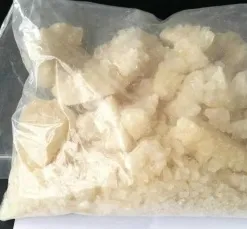
Description
4-MDMC Crystals: Educational Guide for Research Use
Researchers explore 4-MDMC crystals to study their structure, behavior, and similarity to other synthetic compounds. Many labs compare it with substances like methylone, 3-MMC, and MDMA. Curiosity about its profile grows, so this guide explains its chemistry, research value, and safety requirements.
4-MDMC belongs to a group of empathogenic and stimulant-like compounds. Scientists classify it as a research chemical, so they study it to understand patterns in psychoactive structures. Its IUPAC name is 2-(dimethylamino)-1-(4-methyl phenyl)-1-propanone, hydrochloride. Its chemical formula is C12H17NO. These details help chemists identify the compound and compare it with related molecules.
Understanding 4-MDMC Crystals
Teams that work with 4-MDMC crystals focus on how its structure relates to known analogs. They often explore how its profile compares to methylone and 3-MMC. Since many researchers describe it as similar in structure to MDMA, interest in its empathogenic and stimulant properties continues to rise. Labs use small, measured samples to examine reactions and molecular behavior.
Scientists keep storage conditions stable to preserve sample integrity. They place the material in cool, dry environments to protect its structure. These steps support accurate results and consistent data.
How Researchers Use 4-MDMC in Studies
Many people ask about research uses. Studies often explore:
- Structure–activity relationships
- Behavioral responses in controlled laboratory models
- Chemical pathways and breakdown patterns
- Comparisons to similar synthetic compounds
Teams run clear and organized protocols to track outcomes. They also document changes in temperature, light exposure, and solvent interactions. These details matter because small changes can affect the final data.
Risks and Safety Practices in Research Settings
Although scientists study 4-MDMC crystals, the compound comes with important warnings. Labels often state “Not for human consumption,” and labs follow that rule strictly. The substance may behave unpredictably in the body, so researchers avoid any direct exposure or misuse.
Teams use protective gear to lower risk. Gloves, masks, and eye protection help reduce contact. They use fume hoods, too, which keep vapor and dust away from the workspace. These steps protect the team and ensure accurate measurements.
Researchers also track quantities with precision. This helps prevent contamination, overuse, or incorrect mixing with other compounds. They log every detail to maintain clean procedures and limit errors.
Why 4-MDMC Interests Scientists
Interest grows because 4-MDMC helps researchers compare stimulant-like and empathogenic structures. Chemists look for patterns that explain how similar compounds act at the molecular level. These comparisons help the scientific community learn more about structure-related behavior.
Researchers also use this compound to understand trends in synthetic development. When new analogs appear, they compare them to known structures like 4-MDMC. This helps create clearer scientific maps of how related compounds evolve.
Ethical and Legal Considerations
4-MDMC remains a research-only substance. Regulations often restrict use, handling, and distribution. Labs follow strict guidelines to ensure ethical practice. These rules protect the public and maintain the integrity of scientific work.
Responsible teams do not resell, share, or distribute research chemicals outside approved environments. They also record data carefully to support safety and compliance. These practices help maintain high scientific standards.
Storage and Handling Tips for Researchers
Teams keep samples in sealed, labeled containers. They store each container in cool spaces with low humidity. This prevents degradation and keeps the compound stable. They also limit light exposure since that may alter the structure over time.
Clear labels help scientists track batch numbers, measurements, and dates. Organized labeling prevents mistakes and supports clean research.
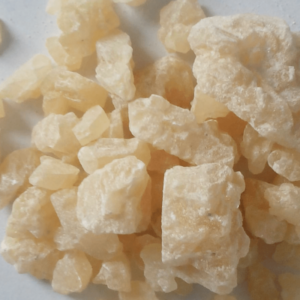
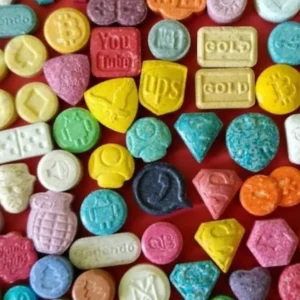

Reviews
There are no reviews yet.