














Description
Educational SEO Content: LSD 220µg Sheets
Lsd sheets. LSD, or lysergic acid diethylamide, is a potent psychedelic widely studied in neuroscience and psychopharmacology. Its effects on perception, mood, and cognition make it a central subject for researchers exploring serotonin system activity.
What Are LSD Sheets?
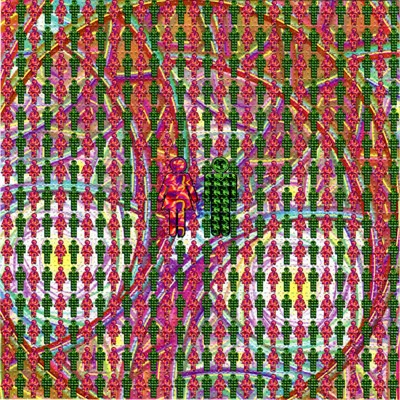
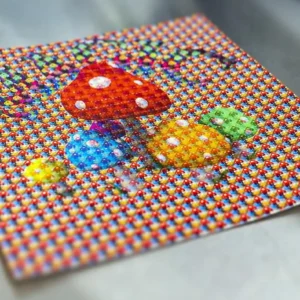
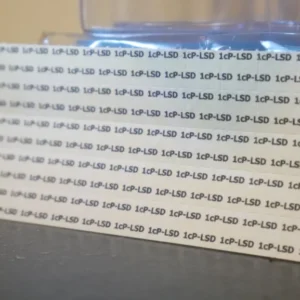
LSD sheets are blotter paper soaked with measured amounts of lysergic acid diethylamide. Each sheet is perforated into small squares, allowing precise microgram-level doses to be studied. Sheets may feature printed designs or colors, which primarily serve as markers rather than affecting chemical properties. Other forms studied in research include gel tabs, tablets, and liquid LSD.
Educational discussions often explore questions like: how LSD sheets interact with solvents, or how lab studies evaluate dosage consistency and stability. Controlled studies focus on chemical stability, serotonin receptor interaction, and pharmacokinetics rather than recreational use.
Chemical Overview of the lsd sheets
Pure LSD is crystalline, colorless, and odorless. It is extremely potent, with effects observable in microgram quantities. Researchers use the crystalline form to prepare standardized sheets for laboratory experiments. LSD primarily affects the 5-HT2A serotonin receptor, altering perception, cognition, and mood in predictable experimental conditions.
Observed Effects in Research
Laboratory studies and controlled research note that LSD can influence both sensory and cognitive processing. Some common research observations include:
Sensory and Perceptual Effects:
- Visual and auditory distortions
- Changes in perception of shapes and colors
- Synesthesia, or crossover of senses
Cognitive Effects:
- Heightened creativity and problem-solving
- Altered sense of time
- Shifts in introspection and self-awareness
Physiological Effects:
- Changes in pupil size
- Increased heart rate and blood pressure
- Altered body temperature
Researchers note that these effects vary with dose, environment, and individual physiology. Laboratory conditions ensure safety and controlled observation, minimizing adverse outcomes.
History and Context of the lsd sheets
LSD was first synthesized in 1938 by Albert Hofmann from lysergic acid derived from ergot fungus. Its hallucinogenic properties were discovered in 1943, and it later became a focus in studies on perception, consciousness, and potential therapeutic uses. LSD is well-known for its use in psychological and spiritual research, though it has no officially approved medical applications.
Handling and Safety
Labs store them in cool, dry conditions and protect them from ultraviolet light to prevent degradation. All handling follows standardized safety protocols to maintain chemical stability and protect researchers.
Educational content on LSD sheets helps students and researchers understand its chemical structure, effects, and research relevance, without promoting illegal use.

Reviews
There are no reviews yet.